Search engine optimization has evolved dramatically over the years. In the past, ranking on Google mainly depended on using the right keywords, meta tags, and backlinks. Today, search engines are far more sophisticated, incorporating AI, voice assistants, and local search intent into their algorithms.
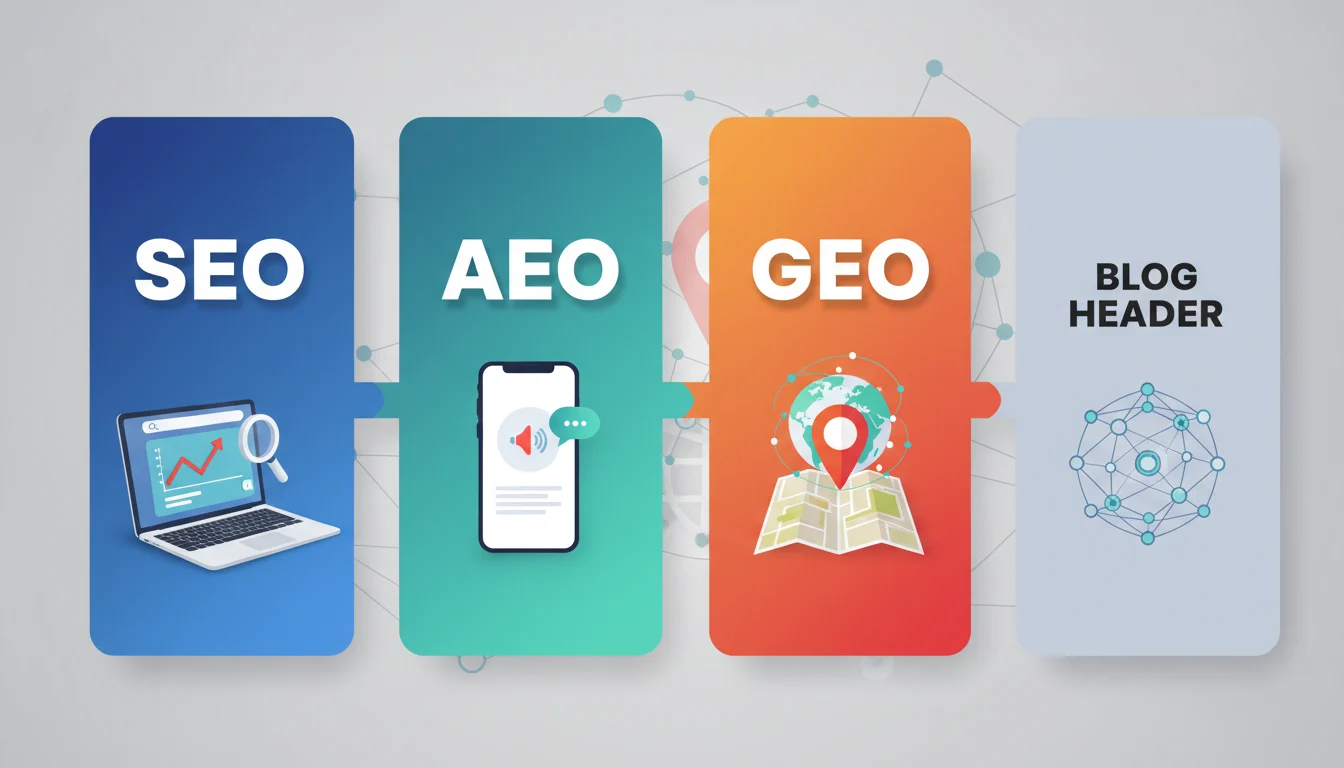
To stay ahead in 2026, digital marketers need to think beyond traditional SEO and embrace a three-pronged approach-
SEO (Search Engine Optimization)- Optimizing for search visibility
AEO (Answer Engine Optimization)-Optimizing for AI-driven answers and voice search
GEO (Geographic Engine Optimization)- Optimizing for local search relevance
Understanding and integrating these strategies is key to creating content that ranks well, engages readers, and converts effectively.
SEO (Search Engine Optimization)
SEO remains the foundation of digital marketing. Traditionally, it focused on keyword placement, meta titles and descriptions, backlinks, and ensuring websites were mobile-friendly and fast-loading.
Modern SEO, however, goes beyond these basics.
Key practices include-
User intent- Content must directly answer what users are searching for.
Structured content- Use headings, subheadings, and concise paragraphs for better readability.
Internal linking- Connect related content to improve site navigation and authority.
Technical optimization-Mobile responsiveness, secure connections (HTTPS), and fast page speed are crucial.
Example- A blog targeting “digital marketing strategies for small businesses” should naturally include relevant keywords, provide actionable examples, and link to related topics to educate readers while improving search rankings.
AEO (Answer Engine Optimization)
AEO is becoming increasingly important as AI-powered search engines and voice assistants dominate. Users now ask complete questions instead of typing isolated keywords.
Optimizing for AEO involves-
- Providing clear, concise, and actionable answers that AI can easily parse.
- Structuring content so that answers are readable and scannable.
- Using headings and step-by-step instructions with examples or statistics.
Example- For the query, “How can small businesses increase engagement on Instagram?” an AEO-optimized answer could include:
- Posting consistently at peak times
- Using interactive features like polls or quizzes
- Engaging with comments and direct messages
- Collaborating with niche influencers
Such content can appear in featured snippets, AI-generated answer boxes, and voice search results, giving your brand higher visibility.
GEO (Geographic Engine Optimization)
GEO focuses on local search visibility, which is critical for businesses with a physical presence or local services. Many users search with local intent, such as “digital marketing agency near me” or “social media consultant in New York.”
GEO optimization includes-
- Adding location-specific keywords in content
- Optimizing business profiles on platforms like Google Business Profile
- Collecting and managing local reviews
- Using structured data like local business schema
- Embedding maps and location information
Example-A marketing agency in Los Angeles could optimize its website by including phrases like “Los Angeles social media marketing agency,” highlighting local case studies, and ensuring consistent contact details across all platforms. This improves local search relevance, foot traffic, and engagement from nearby customers.
Integrating SEO, AEO & GEO
For maximum impact, all three strategies should work together. Steps to integrate:
- Identify user intent-Determine whether the search is informational, transactional, or local.
- Structure content clearly-Make it readable for both humans and AI using headings, examples, and actionable insights.
- Combine strategies-Include global SEO keywords, AI-friendly answers, and local references.
Example- A Chicago-based marketing agency could create a blog on social media strategy targeting:
SEO- “Social media marketing tips 2026”
AEO-Questions like “How can small businesses grow Instagram followers?”
GEO-References to Chicago-specific clients or case studies
This approach ensures content performs well across multiple search dimensions.
Future-Proof Your SEO
Modern SEO in 2025-2026 is no longer just about keywords and back links. Success requires creating content that:
- Ranks well in search engines (SEO)
- Provides clear, AI-friendly answers (AEO)
- Connects with local audiences (GEO)
By combining these strategies, businesses can produce authoritative, actionable, and highly relevant content, gaining a significant competitive edge in digital marketing.
FAQs-
1.What is the difference between SEO, AEO, and GEO?
SEO (Search Engine Optimization)- Focuses on optimizing content and websites for search engines to rank higher in search results.
AEO (Answer Engine Optimization)-Focuses on providing clear, concise answers for AI-powered search engines and voice assistants.
GEO (Geographic Engine Optimization)- Focuses on improving visibility for location-based searches and local audiences.
2. Why is AEO important in 2025?
With AI-powered search engines and voice assistants becoming popular, users often ask full questions. AEO ensures your content provides direct, actionable answers that AI can present in snippets, voice results, or answer boxes.
3. How can I optimize my content for GEO?
Include location-specific keywords, optimize your Google Business Profile, collect local reviews, embed maps, and use structured data like local business schema to improve local search visibility.
4. Can SEO, AEO, and GEO work together?
Yes! Integrating all three strategies ensures your content ranks in search engines, answers user questions effectively, and attracts local audiences. This combined approach maximizes traffic, engagement, and conversions.
5. What is the role of user intent in modern SEO?
Understanding whether a search is informational, transactional, or local helps create content that satisfies user needs, making it more likely to rank higher and engage readers.
6. How can small businesses benefit from modern SEO strategies?
By applying SEO, AEO, and GEO together, small businesses can reach broader audiences online, answer potential customer queries quickly, and attract local clients effectively, all while building authority in their niche.